
Turkish · Nationwide · mezze
Cacık (Cucumber-Yogurt-Mint Soup/Dip)
cacık
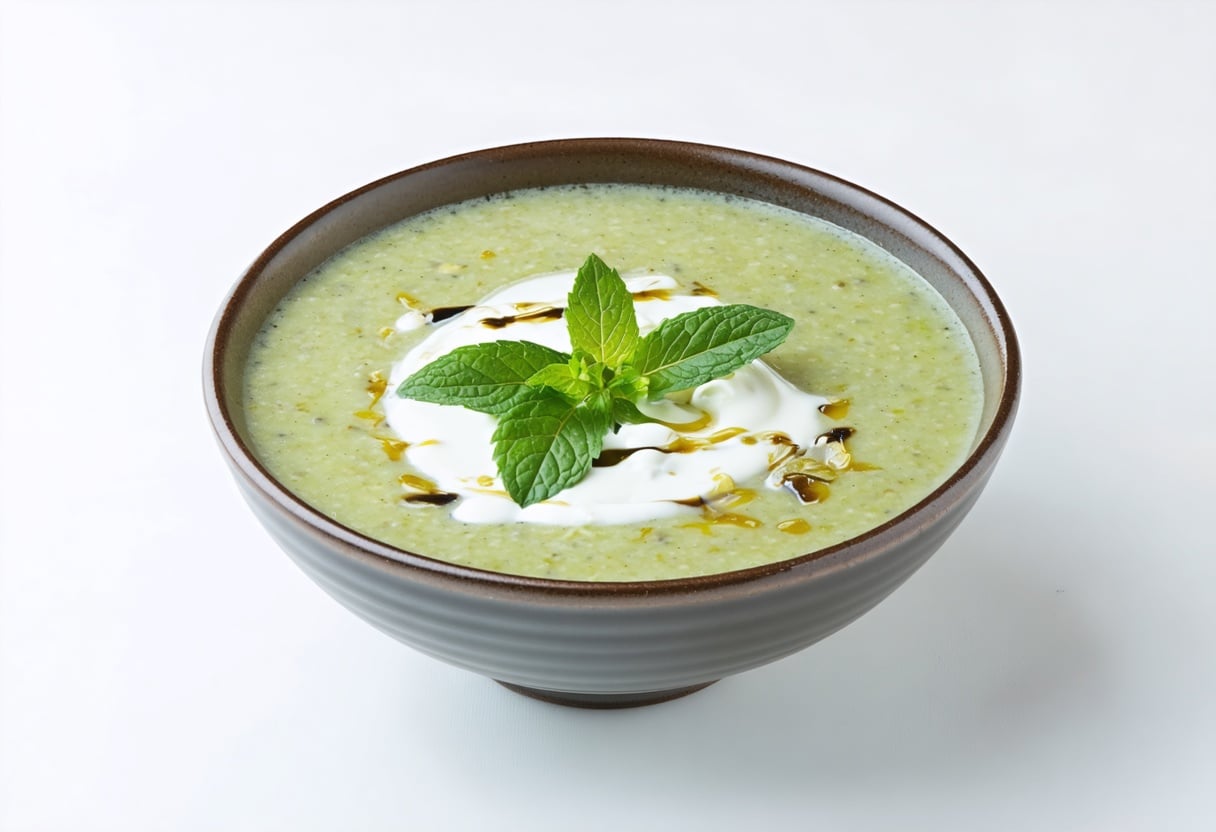
Cacık is Turkey's answer to a dish that nearly every Mediterranean culture has claimed — cold yogurt with cucumber and garlic — but the Turkish version is distinctly its own: dried mint (not fresh), a generous pour of olive oil, and the option to thin it with ice-cold water into a proper chilled soup. On a hot summer afternoon in Istanbul, you'll get it in a bowl with ice cubes floating in it. At a meze spread, you'll get it thick as a dip alongside warm bread. Both are right.
Scan to log · 115 kcal · 8g protein
Point a phone camera at the code to open this recipe — or scan it from a printout to drop today's serving straight into your food log.
Add to today's log →Prep
15 min
Cook
0 min
Rest
30 min
Total
45 min
Servings
4
Difficulty
Easy
What you need
Ingredients
full-fat plain yogurt (not Greek-style — use regular whole-milk yogurt for soup, or strain it 30 min for dip)
2 cups
480g
English cucumber (or 2 Persian cucumbers)
1 medium (about 10 oz)
280g
garlic cloves
2 cloves
10g
dried mint
1 1/2 tsp
1.5g
extra-virgin olive oil
2 tbsp
30ml
fine salt
3/4 tsp
4g
ice-cold water (for soup version only — skip entirely for dip)
1/2 to 3/4 cup
120 to 180ml
pul biber (Aleppo pepper) for garnish — find it at Whole Foods or Middle Eastern markets
1/4 tsp
0.5g
Substitution · hard-to-find
Original: pul biber (Aleppo/Maraş pepper). Mix 3 parts sweet paprika to 1 part red pepper flakes — you want that fruity mild heat, not sharp chili heat
dried mint, extra, for garnish
1/4 tsp
0.25g
How to cook it
Steps
- 01
12 min
Grate the cucumber on the large holes of a box grater directly into a colander set over the sink (or a bowl). Sprinkle with a pinch of salt, toss, and let it sit for 10 minutes. Then squeeze firmly with your hands — you want to press out as much water as possible. This step keeps your cacık from turning watery and thin within minutes of serving. Don't skip it.
- 02
3 min
Peel and mince the garlic cloves very fine, or crush them to a paste with the flat of your knife and a pinch of salt. Turkish cacık uses raw garlic — it should be present but not aggressive. Two cloves for 2 cups of yogurt is the right balance; go to one clove if your garlic is very pungent or your crowd is garlic-shy.
- 03
3 min
In a medium bowl, combine the yogurt, squeezed cucumber, minced garlic, dried mint, and salt. Stir well. Taste and adjust salt. The mint should be clearly there — dried mint in Turkish cooking is not a background whisper, it's a flavor.
- 04
2 min
Now decide: soup or dip? For a dip, stop here and proceed to step 5. For a chilled soup, whisk in the ice-cold water a little at a time until you reach a pourable, slightly thick consistency — think buttermilk or a thin smoothie. Some Turkish households add a couple of ice cubes directly to the bowl when serving. Both are traditional.
- 05
2 min
Transfer to a serving bowl (or individual bowls for soup). Drizzle the olive oil generously over the top — don't stir it in. Scatter the pul biber and a pinch of extra dried mint over the oil. That red-orange oil pooling on the white yogurt is the visual signature of cacık; it also adds flavor in every spoonful. Refrigerate for at least 20 minutes before serving if you have time — cold cacık is noticeably better than room-temperature cacık.
Chef notes
Notes & variations
Yogurt choice matters more than almost anything else here. Full-fat is non-negotiable — low-fat yogurt goes watery and tastes flat. For the dip version, straining regular yogurt through a cheesecloth or fine-mesh strainer for 30 minutes gives you a thicker, creamier result. Actual süzme (strained) yogurt from a Middle Eastern market is ideal if you can find it.
Dried mint vs. fresh mint: this is the key difference from Greek tzatziki. Turkish cacık uses dried mint, which has a more concentrated, almost tea-like flavor. Fresh mint is lovely but it's a different dish. Don't substitute.
Make-ahead: cacık keeps well for up to 2 days in the fridge, though the cucumber will continue to release water. Give it a stir before serving and add a fresh drizzle of olive oil on top.
As a soup: in summer, some Turkish cooks add a few ice cubes directly to the serving bowl at the table. It's refreshing and completely traditional — don't be shy about it.
Serving as part of a meze spread: cacık pairs naturally with anything grilled or spiced. It's the cooling counterpoint to heat.
Per serving
Nutrition
Calories
115
Protein
7.8 g
Carbs
7.3 g
Fat
6.5 g
Fiber
0.2 g
Sugars
120 g
Sat fat
5.4 g
Sodium
455 mg
Minerals & vitamins
Potassium
286 mg
Calcium
294 mg
Iron
0.4 mg
Magnesium
10 mg
Vit D
0 IU
Vit B12
0 mcg
Cholesterol
29 mg
Glycemic profile
GI
26.6
GL
1.9
- · LLM tiebreak failed for "pul biber" — picked first result as fallback
Storage
How long it keeps
Fridge
3 days
Freezer
2 months
Room temp
2 hours
Reheating · Reheat gently — dairy can split at a hard boil. Whisk if separated.
Source: foodkeeper
Real products
Where to buy
Real grocery products surfaced via Open Food Facts. Click a product to see its OFF page (ingredients, allergens, Nutri-Score breakdown).
English cucumber (or 2 Persian cucumbers)
- English cucumber chips
Nutri-Score A
garlic cloves
- Whole garlic cloves in brine
Nutri-Score C
dried mint
extra-virgin olive oil
fine salt
ice-cold water (for soup version only — skip entirely for dip)
dried mint, extra, for garnish


On the same table
Pairs with
Turkish · dinner
Adana Kebabı (Spicy Hand-Minced Lamb Kebab)
Adana kebabı comes from Turkey's southern city of the same name, where butchers still hand-chop lamb shoulder and tail fat together into a coarse, sticky paste that grills into something no food processor can replicate. It's the spicier, bolder cousin of Urfa kebab — red with pul biber and pepper paste, charred on the outside and juicy within — and it's the kind of meal that turns a backyard grill into a proper occasion.
Turkish · lunch
Mercimek Çorbası (Red Lentil Soup)
This is the soup every Turkish child grows up eating — a smooth, golden-orange bowl of red lentils with a swirl of paprika butter on top and a squeeze of lemon on the side. It's on the menu at every lokanta (neighborhood restaurant) in Turkey, it costs almost nothing to make, and it's one of those dishes that tastes far more complex than its ingredients suggest. Make it when you want something deeply satisfying on a weeknight.